Featured
Table of Contents
Injury impacts us in numerous ways. Trauma can likewise put the body in a state of stress and creates physical signs such as a racing heartbeat, frustrations, nausea, digestion difficulties, bad rest quality, and a propensity to alarm quickly.
Zackson clarifies. This post explores the symptoms, causes, diagnosis, and therapy of unsettled trauma.
Going Beyond Conventional Thought-Based Interventions
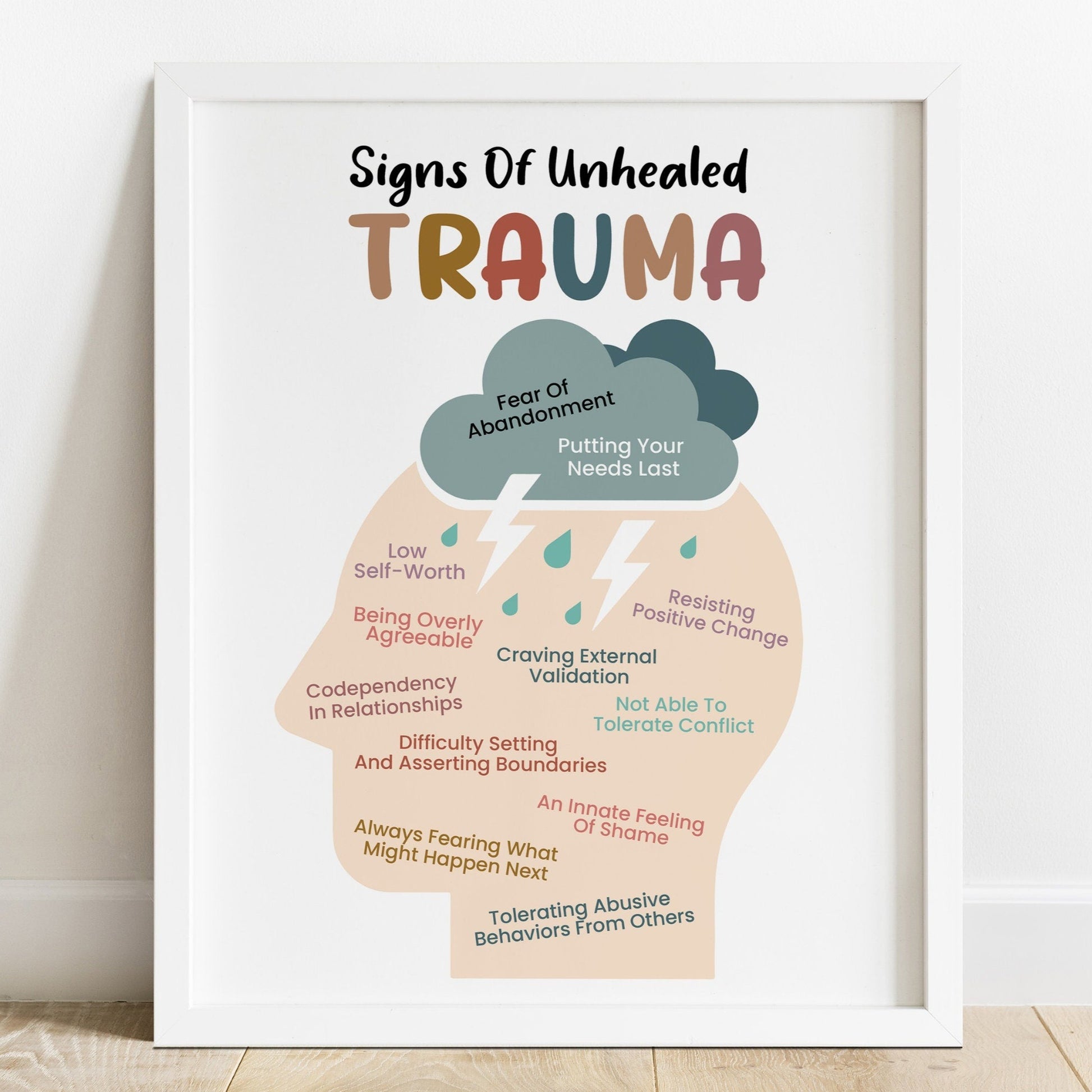
Treating unresolved injury is vital, because without treatment and healthy coping abilities, it's likely that it will certainly never ever be totally solved. Below, Dr. Zackson describes the restorative process of dealing with unresolved injury and the different types of therapy that might be valuable. Organized by Amy Morin, LCSW, this episode of The Verywell Mind Podcast, including psychiatrist Dr.
Click listed below to listen now.: Apple Podcasts/ Spotify/ Google Podcasts/ Amazon Music Treatment for unresolved injury begins with producing a secure and caring environment where the survivor feels secure enough to refine the trauma that has been repressed and pressed right into the 'black box'. The clinician meticulously and safely opens this 'box,' allowing people to familiarize their experiences.
Burnout and Healing Approaches
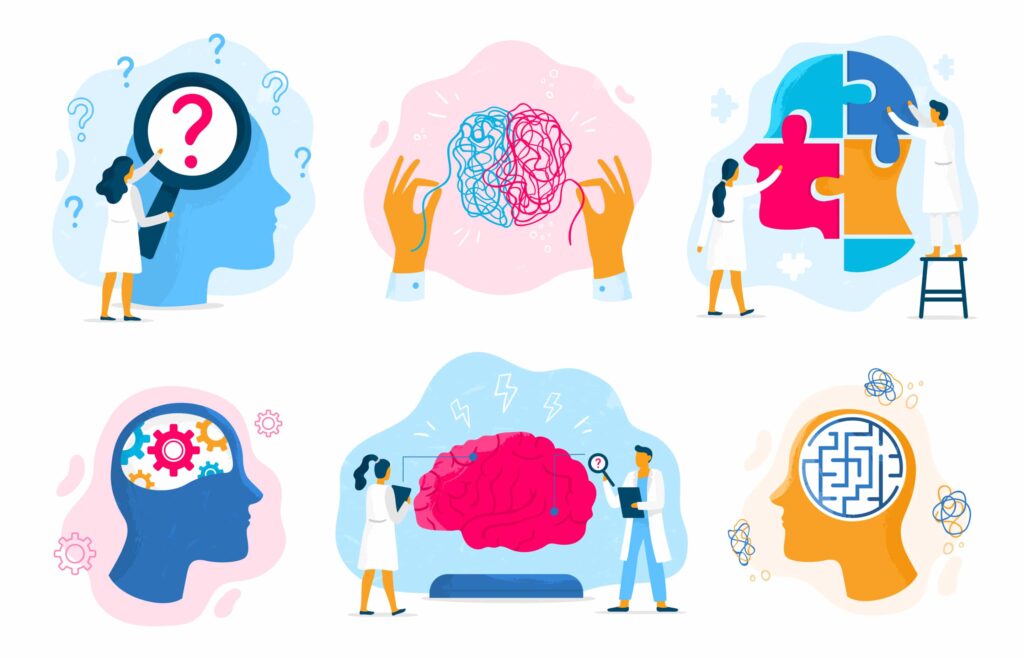
There is no specific time structure for recovery from unsolved injury. However, the great information is that healing from trauma is not an endpoint; survivors can even more than merely healing. They can review their traumatic experience and discover that they are stronger than they ever envisioned.
According to Dr. Zackson, these are some forms of therapy, preferably performed by experienced trauma professionals, that can help deal with unsolved trauma: We've tried, examined, and composed unbiased evaluations of the best online treatment programs consisting of Talkspace, BetterHelp, and ReGain. Discover out which alternative is the very best for you. Verywell Mind utilizes only premium resources, including peer-reviewed researches, to sustain the facts within our articles.
Health And Wellness Aff (Millwood). 2019; 38( 10 ):1662 -1669. doi:10.1377/ hlthaff. 2019.00560 Bell V, Robinson B, Katona C, Fett AK, Shergill S. When depend on is lost: The effect of interpersonal trauma on social communications. Psychol Med. 2019; 49( 6 ):1041 -1046. doi:10.1017/ S0033291718001800 Lanius RA. Trauma-related dissociation and modified states of awareness: a require professional, therapy, and neuroscience research. Eur J Psychotraumatol.
Reframing Personal Struggles as Neurodevelopmental Variation
2016; 49:79 -91. Front Psychiatry. 2021; 12:767760.
These physiological reactions are component of the body's stress and anxiety response to injury. Cognitively, injury survivors could establish adverse beliefs regarding themselves or the world, such as really feeling unworthy or unsafe.
All these signs are indications that injury has impacted the individual's psychological and psychological health and wellbeing. Identifying these signs early and seeking specialist assistance can facilitate efficient therapy and support recovery.
Warning Signs in Therapeutic Relationships
For children and teenagers, trauma-focused CBT (TF-CBT) is particularly adapted to process distressing memories in a secure and structured means, often entailing household members. An additional very effective method is Prolonged Direct exposure therapy. This approach urges steady conflict of injury memories and scenarios that remember the stressful event. The objective is to minimize concern actions and avoidance habits that disrupt daily life.
Dealing with trauma's effect on psychological, cognitive, and physical health and wellness is vital. Therapy intends to bring back a sense of security and trustboth in oneself and in connections with othersby promoting resilience and individual development.
It's a great question, and one worth checking out deeply. While many of us utilize the words "trauma" and "tension" as if they mean the very same thing in day-to-day conversation, there's in fact a lot more to recognize about how injury distinctively influences our psychological wellness.
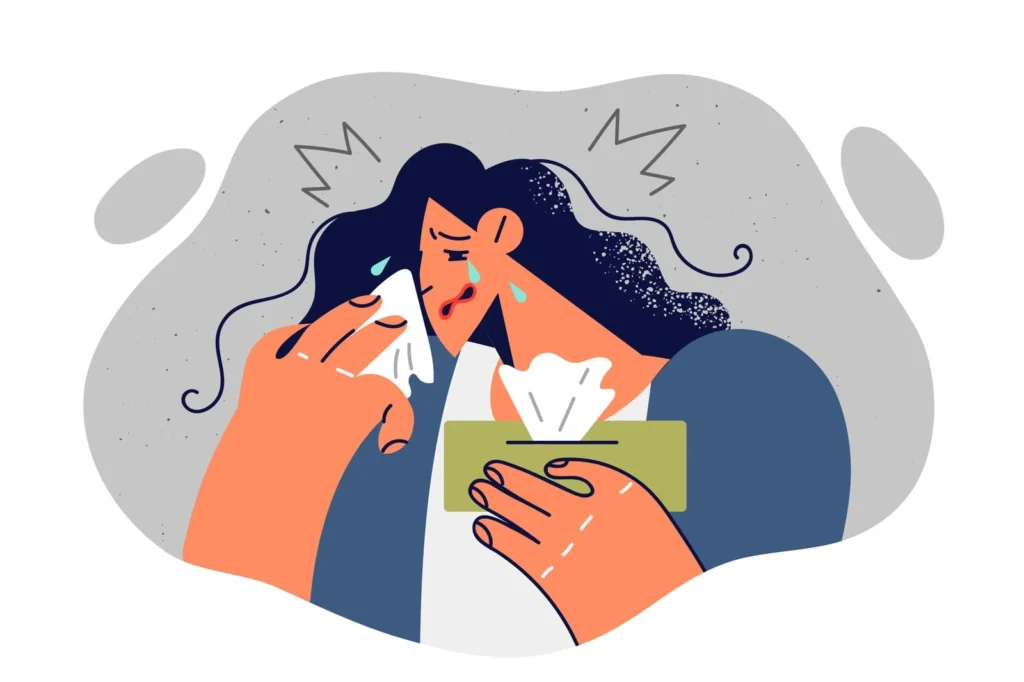
Assume of injury responses as your mind and body's way of securing you when something takes place that feels as well large to take care of. When we experience something overwhelming or deeply upsetting, our brain kicks into survival mode.

Latest Posts
Somatic Therapies for Mental Health
Modifying Traditional PTSD Techniques for Neurodivergent Brains
Benefits of ERP Therapy Reduces Distress